
Why Can’t I Set Boundaries?: Trauma, Emotions, and Relationships
Typically trauma happens at the hands of another human being. Because of that, our brains naturally change how we approach relationships in an effort to keep us safe. If you have experienced complex or ongoing trauma, your nervous system may be caught somewhere in this cycle.
During my internship, a supervisor shared this diagram with me. To this day, it’s one of the most eye-opening resources I share with my clients.
The Cycle of Emotional Suppression and Overexpression
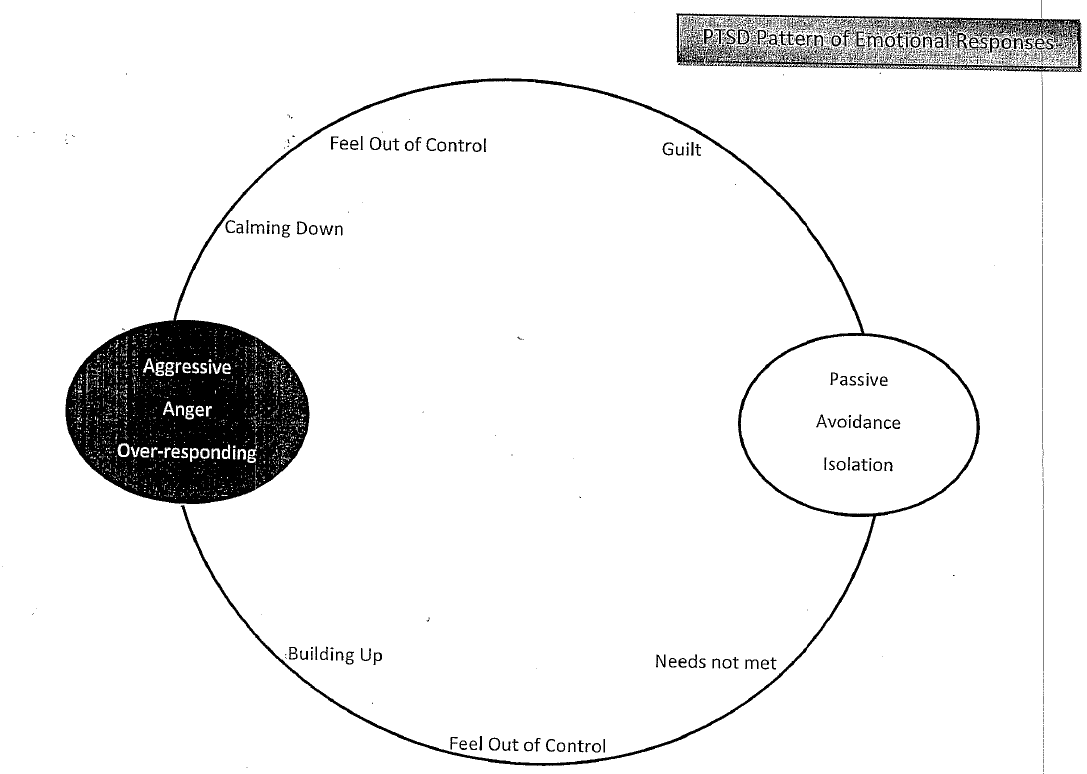
You play it safe: You isolate, stay passive, and avoid rocking the boat.
You bottle it up: Because you aren't expressing your needs, they go unmet. You feel powerless, and resentment starts brewing.
You boil over: Something minor happens, and the lid blows off the pressure cooker. To others, it looks like an overreaction. To you, it’s a delayed reaction to months of suppressed pain.
You get blamed: Because the reaction was loud, the original boundary violation gets ignored. You are labeled the "aggressor."
You retreat: Feeling intense guilt, you apologize, shrink back down, and promise to stay quiet. The cycle resets.
The Path to Hope: You Can Interrupt the Pattern
The good news about this cycle is that you can interrupt it at any single point. You do not have to be trapped in this forever. Changing these deeply ingrained patterns takes time, but you can start small today.
A great place to start practicing healthy, safe assertiveness is a communication tool called DEAR MAN. You can check out a great breakdown of how to use it right here via Now Matters Now. It gives you a simple structure for how to express your needs clearly without exploding.
You Don’t Have to Unlearn This Alone
Unlearning survival habits and building new, healthy boundaries is complex work.
If you are tired of the cycle and ready to explore what healthy boundaries look like for you, please know you don't have to figure it out by yourself. I would love to support you. Feel free to reach out through my Contact Page to see how we can work together.
Note: I want to give credit where credit is due! If you happen to know the original creator of the diagram used in this post, please let me know via my contact page so I can properly cite their work.